After experiencing a catastrophic injury, individuals and their families often confront a profound sense of uncertainty regarding daily life and independence. The journey of rehabilitation can be daunting, filled with questions about what the future holds. Amidst the challenges, occupational therapy emerges as a critical component of the recovery process, catering specifically to the acquisition of essential daily living skills.
Occupational therapy (OT) focuses on enabling individuals to engage in meaningful daily activities, thereby enhancing their quality of life and promoting independence. This approach emphasizes practical skills that allow patients to navigate everyday tasks from getting dressed and cooking to returning to work or engaging in social events. For many, these seemingly simple activities become monumental challenges after an injury, leading to a stark contrast between their pre-injury capabilities and their current limitations.
The role of an occupational therapist involves assessing each patient's needs and capabilities, then developing a tailored program to address these areas. Through a mix of therapeutic exercises, adaptive techniques, and assistive devices, therapists guide rehabilitation efforts aimed at helping patients regain confidence and expertise in their daily routines. For example, when a patient struggles with dressing, a therapist may introduce dressing aids like long-handled shoe horns or button hooks, which not only facilitate the task but also build the patient’s autonomy. Similarly, for individuals facing challenges in preparing nutritious meals, therapists might incorporate strategies such as one-handed chopping devices or pre-cut ingredients to ease the process, thus promoting a balanced diet which is critical for recovery.
The recovery journey after a catastrophic injury involves several phases, each presenting unique physical, emotional, and psychological challenges. Initially, patients may find themselves grappling with the aftermath of their injuries, which can include feelings of fear, frustration, or sadness. It’s important to recognize that this emotional response is normal and valid; recovery is as much an emotional process as it is physical. This recognition allows therapists to develop a rapport with their patients, fostering an environment of trust where emotional healing can occur alongside physical rehabilitation.
Occupational therapy plays a pivotal role across these phases by employing a person-centered approach to rehabilitation. Typically, the therapy begins with an assessment to identify the patient's strengths and challenges in daily activities. From there, occupational therapists develop personalized treatment plans that incorporate therapeutic exercises, adaptive methodologies, and various strategies to manage emotional resilience, creating an optimal path toward recovery. These strategies might involve mindfulness practices, journaling, or group therapy sessions aimed at bolstering community support and connection. Furthermore, introducing art therapy or creative expression sessions can significantly enhance emotional healing, encouraging patients to articulate their experiences in ways that transcend verbal communication.
A significant part of the recovery journey is fostering motivation and setting realistic goals. Occupational therapy emphasizes breaking down larger objectives into smaller, manageable tasks. For example, a patient might work towards preparing a simple meal as a step toward regaining independence in cooking. This method not only builds skill but also instills a sense of accomplishment and renewed hope. Activities can include starting with no-cook meals before advancing to more complex recipes, which provides patients with gradual challenges that build their self-esteem. Beyond meal preparation, a therapist may establish a customizable weekly menu that encourages nutritional choices, which can enhance physical recovery and further motivate the patient.
At NeuLife Rehabilitation of Florida, the focus on individualized care means that each patient's rehabilitation process is tailored to their specific goals and needs. Our multidisciplinary team includes occupational therapists who work in collaboration with physical therapists, speech therapists, and recreational therapists to create a comprehensive rehabilitation experience. This collaboration allows for an integrated care approach, ensuring that overlap in therapies enhances patient outcomes. For instance, when a patient is concurrently receiving speech therapy, occupational therapists can work on developing communication strategies during daily tasks, thus enhancing overall functional abilities.
This integrated approach ensures that every aspect of a patient’s progress is monitored and adjusted based on their evolving needs. For instance, patients recovering from traumatic brain injuries (TBI) may need different strategies than those rehabilitating from spinal cord injuries (SCI). Our occupational therapists utilize evidence-based practices and are well-versed in the latest techniques in neurorehabilitation, helping patients make meaningful strides in their recovery. A common practice involves cognitive rehabilitation techniques to address cognitive deficits experienced by TBI patients, allowing them to relearn problem-solving and memory skills through engaging activities and games tailored to their interests. These sessions not only target cognitive recovery but also incorporate social elements that can manage feelings of isolation.
Furthermore, residents benefit from our newly renovated, hotel-style accommodations that promote a supportive environment where healing can truly flourish. The accessible layout of our facility is designed to facilitate therapeutic activities and community reintegration, essential components of the recovery journey. Not only does the environment support physical therapy practices, it is also nurturing to the emotional journey. Social spaces, quiet rooms, and areas for group activities are purposefully designed to foster connections among residents and staff, creating a sense of community with us. This community aspect plays a key role in encouraging bonding among patients, which can be vital for emotional support during rehabilitation.
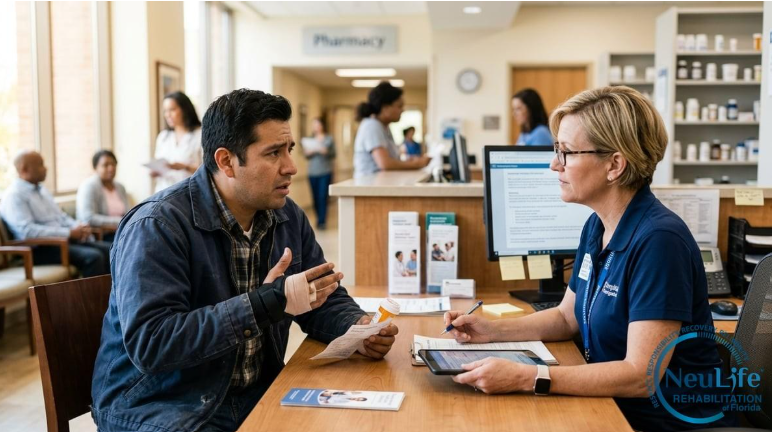
Occupational therapy is focused on helping individuals achieve specific, meaningful goals that lead to a regained sense of independence. In rehabilitation, typical goals include:
Each patient's journey is one of a kind and occupational therapy's role is to adaptively support them through these endeavors, promoting skill acquisition and confidence while fostering a spirit of hope and self-reliance.
What sets NeuLife Rehabilitation of Florida apart is our unwavering commitment to providing exceptional care in a nurturing, needs based environment. As one of the largest residential post-acute rehabilitation facilities in the Southeast, we take pride in offering programs that are tailored to the unique goals of our patients. This commitment to individual customization empowers patients and families to be active participants in the rehabilitation process, fostering collaboration and transparency in every step.
Our CARF-accredited facility is designed not only to foster healing and recovery but also to make patients feel respected and valued. Here, rehabilitation occurs in a supportive, home-like atmosphere, allowing individuals to feel comfortable and empowered as they embark on their recovery journey. The focus is always on preparing patients for real-life success and autonomy, which is reflected in our holistic approach that addresses not only physical, but also emotional and social needs.
Within our walls, patients engage in occupational, physical, and speech therapies alongside recreational programs that lay the foundation for successful reintegration into the community. Each patient's individualized care plan is continuously assessed and adapted to ensure optimal outcomes and quality of life. For example, regular check-ins with therapists allow for adjustments in therapy goals and methods, ensuring persistent alignment with the patient's evolving capabilities and interests. This attention to detail also includes re-evaluating mobility aids and assistive technologies, ensuring that patients have the most effective resources for their unique challenges.
If you or a loved one are navigating the challenges of recovery after a catastrophic injury, NeuLife Rehabilitation of Florida is here to help. Our team is dedicated to providing custom fit care. This care fosters independence, respect, and meaningful recovery. Through every step of the process, we strive to empower our patients. We want to ensure they can envision a fulfilling future.
To learn more about our comprehensive rehabilitation programs, visit our website or call us at 800-626-3876. Together, we can work toward mastering the daily activities that empower a renewed quality of life. Our team is ready to support you in overcoming barriers and unlocking new potentials on your road to recovery, because at NeuLife Rehabilitation of Florida, we believe that every step forward is a step towards rediscovering independence and joy. With our dedicated staff and comprehensive approach, we are committed to walking alongside you and your family during this transformative journey.
Q: What is the goal of occupational therapy after an injury?
A: The primary goal of occupational therapy is to help individuals regain independence in daily activities by developing essential skills and confidence. This can include creating strategies for specific tasks, enhancing cognitive function, and improving emotional resilience. Additionally, therapists often evaluate a patient’s home environment to identify potential barriers and recommend modifications that promote greater independence.
Q: How does occupational therapy assist with emotional recovery?
A: Occupational therapy not only focuses on physical tasks but also supports emotional well-being by fostering self-worth and social interaction through meaningful activities. Engaging patients in hobbies and interests can redirect attention and facilitate emotional healing. Therapists may also introduce practices that encourage positive self-reflection, such as gratitude journaling or creative expression, which can be pivotal in rebuilding a patient's sense of self.
Q: What are some examples of daily activities worked on in occupational therapy?
A: Common activities include personal grooming, cooking, household chores, and reestablishing social connections through community activities. Additionally, therapies may involve strengthening fine motor skills through arts and crafts, which can be both therapeutic and enjoyable. Other activities might include mindfulness practices or technology training for communication tools, which can also aid in social re-engagement.



We know that choosing the next step in your recovery from a catastrophic illness or injury is complex. Together, we can help you take the next step.
Contact us with any questions today.