After experiencing a catastrophic injury, the journey towards recovery and independence can be fraught with uncertainty and emotional challenges. Families and patients often wonder what the future holds. Supported living options are designed specifically to bridge the gap between intensive rehabilitation and independent community life. These programs provide the necessary support and resources to help individuals regain their independence, rebuild their lives, and thrive in a community setting. The critical role of these programs lies in their ability to accommodate a variety of needs that patients may have, considering their unique circumstances, rehabilitation history, and personal aspirations.
Supported living options serve as a vital transitional phase for those who have undergone rehabilitation for traumatic brain injuries, spinal cord injuries, complex orthopedic injuries, and other neurological disorders. These programs not only focus on physical rehabilitation but also support cognitive, emotional, and social reintegration, enabling individuals to reconnect with their communities while working towards self-sufficiency. By tailoring services and support mechanisms to fit individual needs, supported living facilities empower patients on their path toward a sustainable and fulfilling life.
The recovery journey following a catastrophic injury is multifaceted and often divided into several stages. Each phase comes with its unique challenges, particularly emotional and psychological aspects that must be navigated alongside physical rehabilitation. Understanding these stages can help patients and families prepare for the transition into supported living.
It is crucial to understand that recovery is not a linear path. Many individuals will experience setbacks and emotional hurdles, which can impact motivation and engagement in their recovery process. The emotional resilience built during rehabilitation is just as essential as physical rehabilitation. Support from family, friends, and professionals during this time is vital, as peer support can offer shared experiences and encouragement, helping individuals navigate through these challenges more effectively.
At NeuLife Rehabilitation of Florida, our individualized programs are tailored to meet the unique needs of each patient, addressing not just physical rehabilitation but also cognitive and emotional support. We recognize that each individual’s recovery journey is different, and our holistic approach ensures that we take into account the various dimensions of recovery.
Key services provided include:
These services work cohesively to empower patients, enhancing their functional outcomes and helping them achieve their personal rehabilitation goals. By fostering a collaborative, multidisciplinary approach, we aim to create a supportive environment where all patients can flourish.
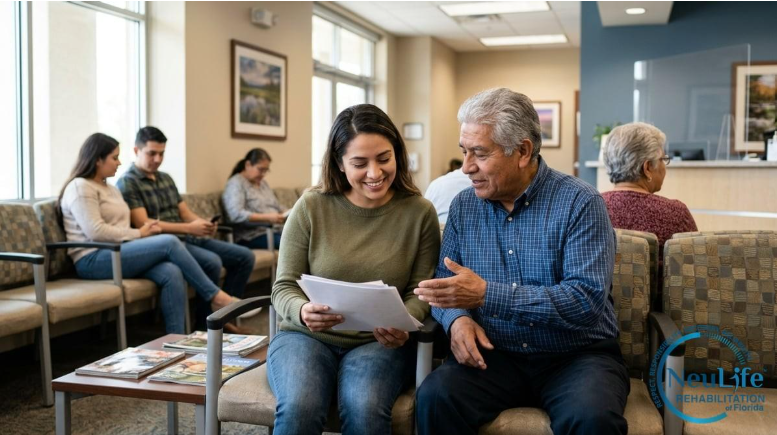
NeuLife Rehabilitation of Florida stands out in the Southeast as one of the leading residential post-acute rehabilitation programs. Our commitment to individualized care and exceptional quality sets us apart from other facilities. We pride ourselves on creating an environment that is not only conducive to healing but also comfortable and nurturing.
Key differentiators include:
Our staff members are dedicated professionals who work tirelessly to ensure that each patient receives the highest quality of care, promoting independence and dignity throughout the rehabilitation process.
The journey to independence encompasses multiple goals focused on reintegrating into everyday life. While each patient's rehabilitation is unique, common overarching goals include:
These goals are central to NeuLife's philosophy, where we strive to cultivate independence and empower our patients to lead fulfilling lives. By actively engaging patients in goal-setting discussions, we help them take ownership of their recovery, fostering motivation and accountability along the way.
Choosing to pursue supported living options after rehabilitation can profoundly impact the journey towards independence. It's an opportunity for continued growth and reintegration into society. It equips individuals with the tools they need to thrive.
NeuLife Rehabilitation of Florida is dedicated to helping individuals navigate this critical transition. We offer comprehensive, individualized programs designed to support their unique needs. Our focus remains not only on rehabilitation but also on preparing individuals for integration into community living, ensuring they have the skills and confidence necessary for long-term success.
We invite you to reach out to our admissions team to learn more about our supported living options and how we help bridge rehab to independent community life. Call us at 800-626-3876 or visit neuliferehab.com/supported-living-program/ to get started. Join us on this journey, and let’s work together to build a brighter, more independent future for you.
Q: What is supported living?
A: Supported living provides individuals with the assistance they need to live as independently as possible after rehabilitation. It focuses on daily living skills while emphasizing emotional and social support. Volunteers and trained staff are often involved to provide this support, ensuring that help is always accessible.
Q: Who can benefit from supported living options?
A: Individuals who have experienced catastrophic injuries such as traumatic brain injury, spinal cord injury, and other serious conditions may benefit from supported living options. These programs are flexible and can cater to a range of rehabilitation needs and personal goals.
Q: How does NeuLife support the transition to independent living?
A: At NeuLife Rehabilitation of Florida, we offer individualized programs that combine physical therapy, occupational therapy, and other supportive services aimed at facilitating the transition to independent living by focusing on real-life goals. Our staff also works closely with families to ensure support systems are in place.
Q: How long can someone stay in a supported living program?
A: The duration in a supported living program varies based on individual needs and progress. Each care plan is customized to determine the length of stay required for successful reintegration. Some individuals might progress quickly, while others may need a longer duration based on their specific situations.


We know that choosing the next step in your recovery from a catastrophic illness or injury is complex. Together, we can help you take the next step.
Contact us with any questions today.